You're Not Behind (Yet): Learn AI Agents in 13 Minutes
The gap between people who understand AI agents and people who don't is about to get expensive. Four frameworks close it. The throughline: a chatbot waits for your next prompt, an agent figures out its next move — and the real question is which tasks you hand one, and how to brief it so it doesn't drive into a tree.
Watch on YouTubeAgents in four frameworks
- The ARR test: hand a task to an agent only if it's Autonomous, Recurring, and Reviewable. If it needs live judgment, happens once, or can't be checked — use a prompt.
- A chatbot waits for your next prompt; an agent figures out its next move. Prompting is sitting next to a student driver. An agent is the hired driver — you set the destination and sit in the back.
- Under the hood, an agent is the same LLM ringed by four workers — Analyst, Planner, Operator, Auditor — plus an OODA loop that lets it reroute when the obvious path breaks.
- An agent is a multiplier, not magic — it formalizes bad thinking. Run a GPS check (Goal, Proof, Steps) before automating. Most AI problems are human problems in disguise.
- The winners go obsessively narrow — one workflow, one market, one kind of pain. As output goes infinite, judgment and taste become the scarce skill.
01 · The ARR test
What belongs to an agent
Getting a decent answer out of ChatGPT was enough six months ago. It isn't anymore. The next shift is agents, and the gap between people who get them and people who don't is about to get expensive. Start with a filter for which tasks even qualify.
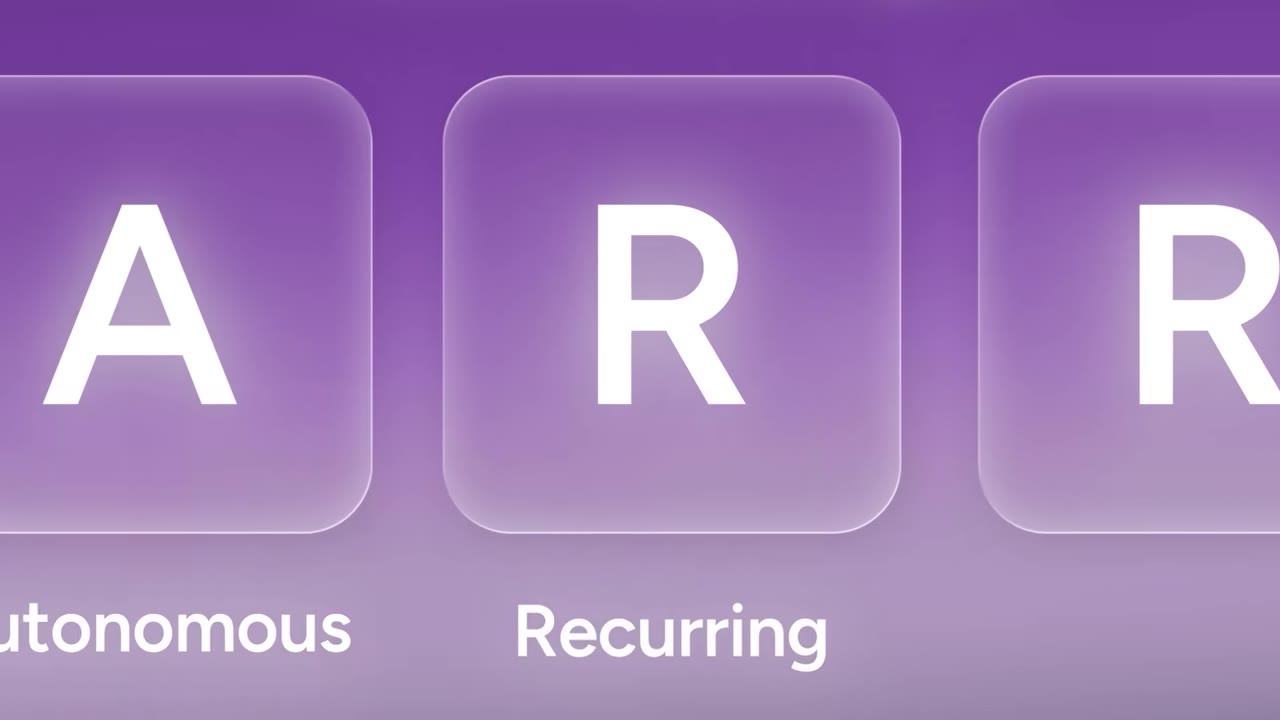
Autonomous
it can run without you babysitting each step
Recurring
it happens again and again, so automation compounds
Reviewable
you can clearly tell whether it did a good job
Needs live judgment, only happens once, or can't be reviewed clearly? Use a prompt, not an agent. That one distinction puts you miles ahead of most people using AI today.
02 · Prompt vs agent
Student driver vs hired driver
Most people treat agents as more capable chatbots. They're not. Prompting is sitting next to a student driver — you guide, correct, stay alert. An agent is a hired driver: set the destination, hand over the keys, sit in the back. It handles the route, the traffic, every step-by-step decision.
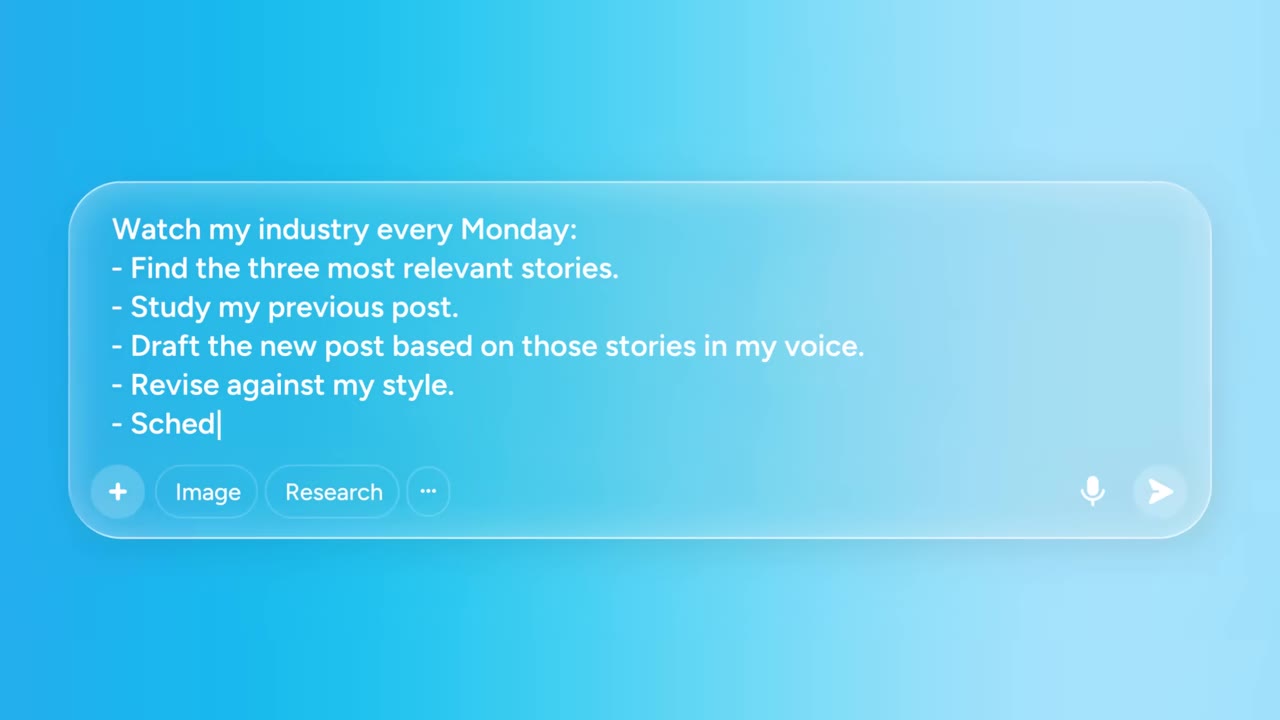
A chatbot waits for your next prompt. An agent figures out its next move.— theMITmonk
03 · Under the hood
One model, four workers
Everyone's talking about agents. Almost nobody can tell you what's running inside. A chatbot predicts the next word — give it "Jack fell down and broke his…" and it returns "crown" on probability alone, with no idea the rhyme exists. An agent has the same model at the center, ringed by four workers.
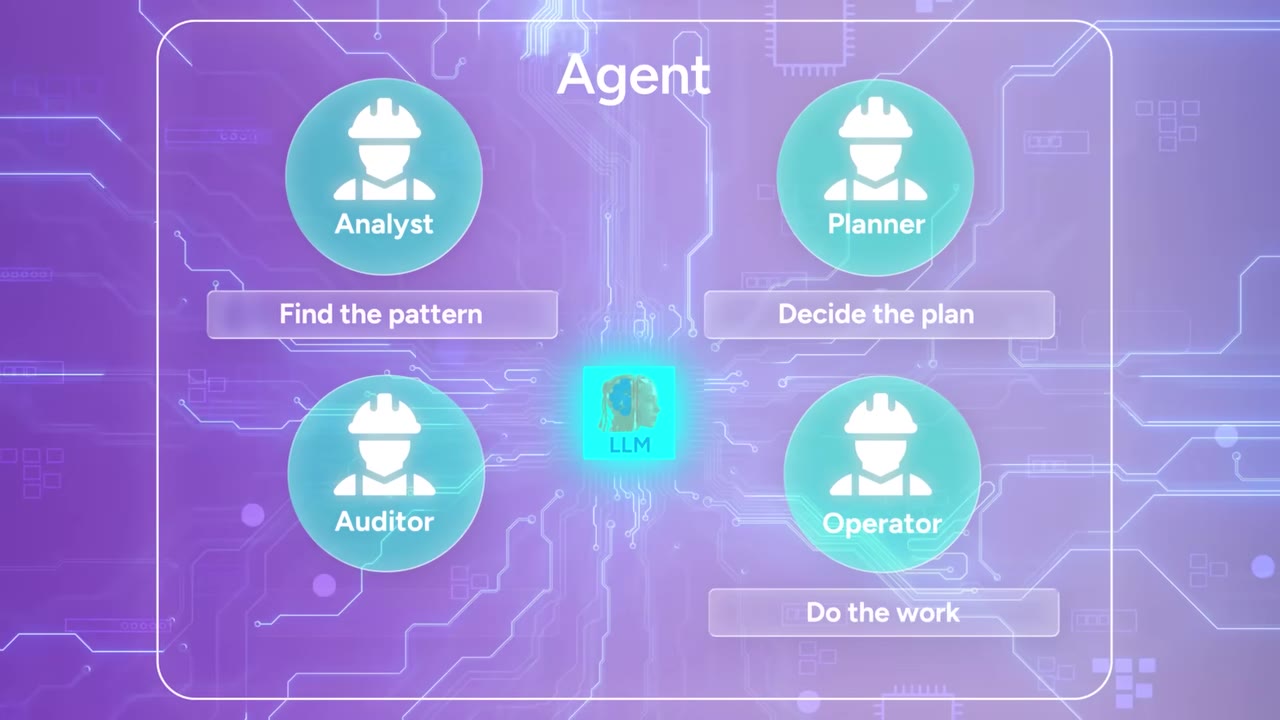
- Analystreads the tickets, notes, and feedback and finds the pattern
- Plannerdecides what matters most and what belongs in the output
- Operatordoes the work — writes and sends it
- Auditorchecks for weak logic, missing context, sloppy conclusions, and refines
Give it one recurring job — "every Monday at 7am, review the week's support tickets and email leadership a one-page brief" — and you've assigned the work of four people to one agent. Open ChatGPT agent mode tonight, hand it a recurring task, and watch all four workers show up in real time.
04 · The OODA loop
Can it reroute when the path breaks?
What makes agents genuinely different is adaptation. The frame comes from Air Force colonel John Boyd, who studied why American F-86 pilots kept beating technically superior Soviet MiGs in Korea. The MiG was faster and climbed higher — it should have won. It didn't. The Americans could see more and adapt faster, getting inside the enemy's decision cycle before he could respond.
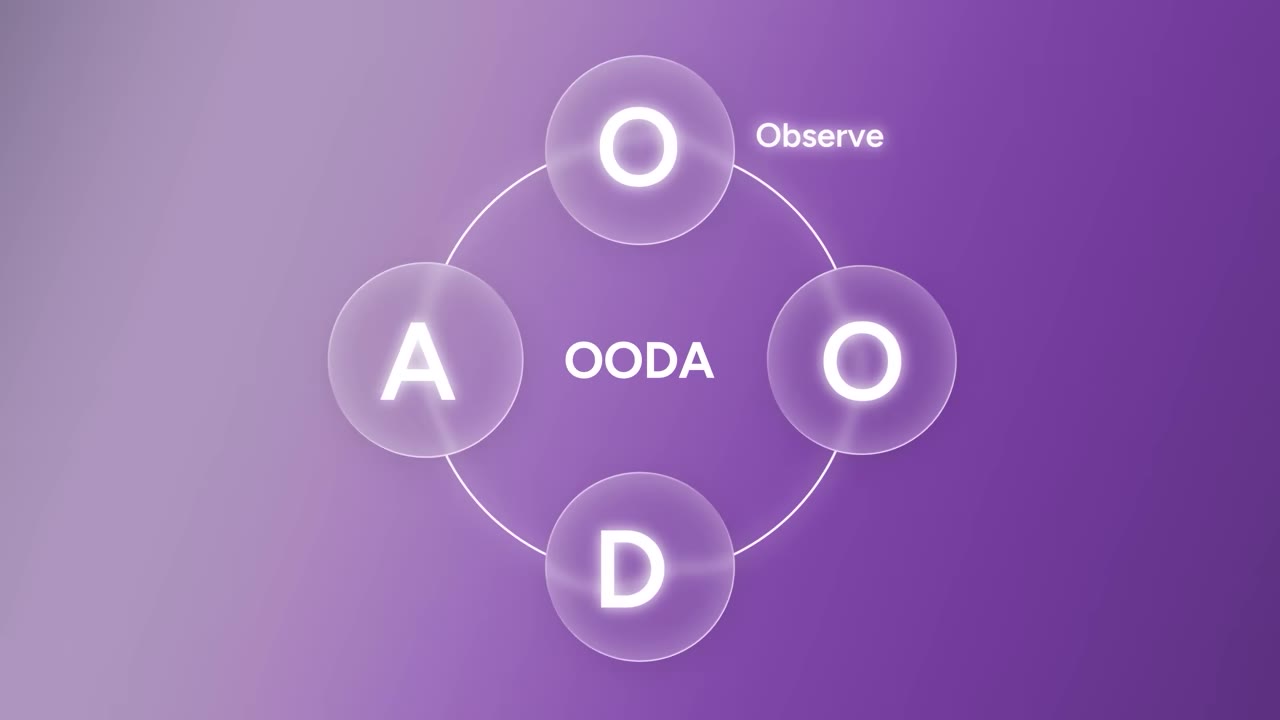
A scripted workflow ("every Friday, build my grocery list and order it") breaks the week your usual item is out of stock and six friends are coming for dinner — not because it's dumb, but because it's built to be obedient, not to think. An agent finds substitutes, adjusts quantities for six, checks your calendar, and rebuilds the whole order around the dinner.
A workflow can follow the process. An agent can reroute it completely.— theMITmonk
05 · Multiplier, not magic
Run a GPS check first
The most dangerous thing about an agent is that it will do the wrong thing faster and with more confidence than you ever could. It's a mirror — it reflects the quality of your thinking and amplifies it. It doesn't fix vague direction; it formalizes it. Give it sloppy goals and no feedback loop and it'll drive the car straight into the tree.
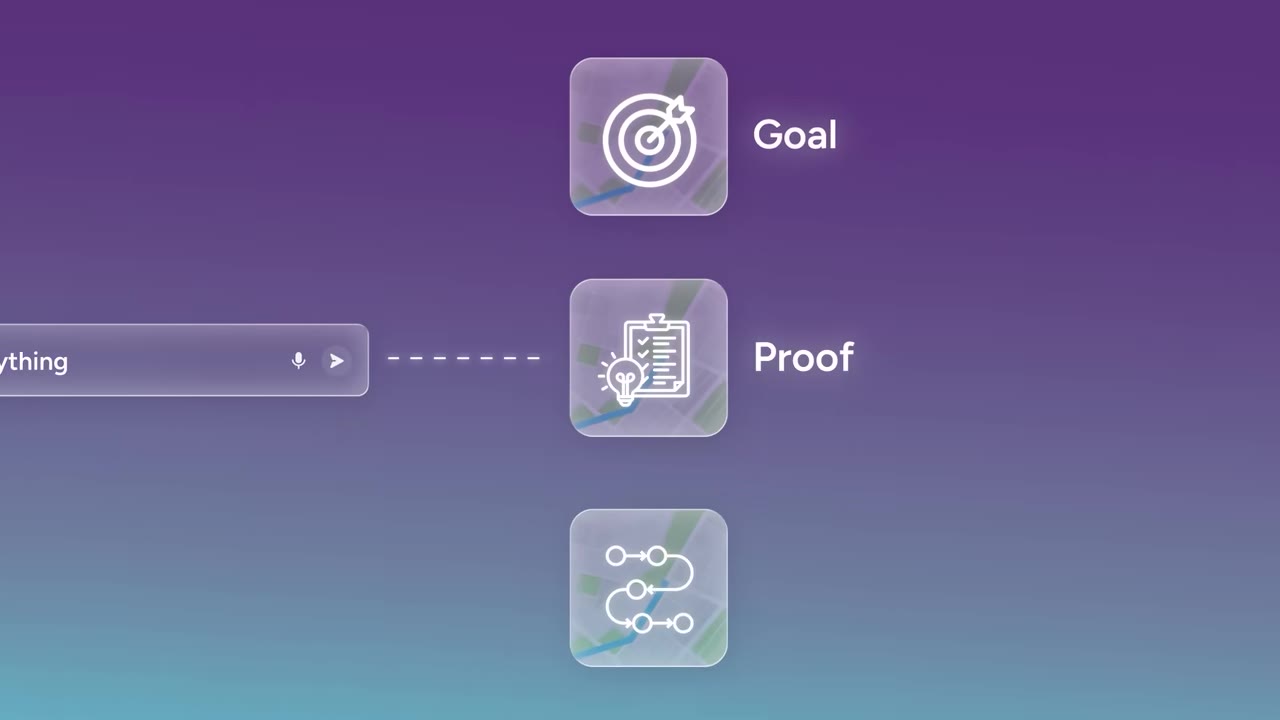
- Goalcan I define it in one clear sentence?
- Proofcan I say what "good" looks like and tell if the agent got it right?
- Stepscan I describe each step precisely, without hand-waving?
06 · Narrow ownership
Where the money is
Most companies want AI everywhere. The ones actually winning are obsessively narrow. If clarity is the bottleneck, the opportunity isn't broad intelligence — it's narrow ownership. At a construction-software customer conference, a product lead demoed a single agent built for one painfully specific job: collecting field data for one type of customer in one type of situation.
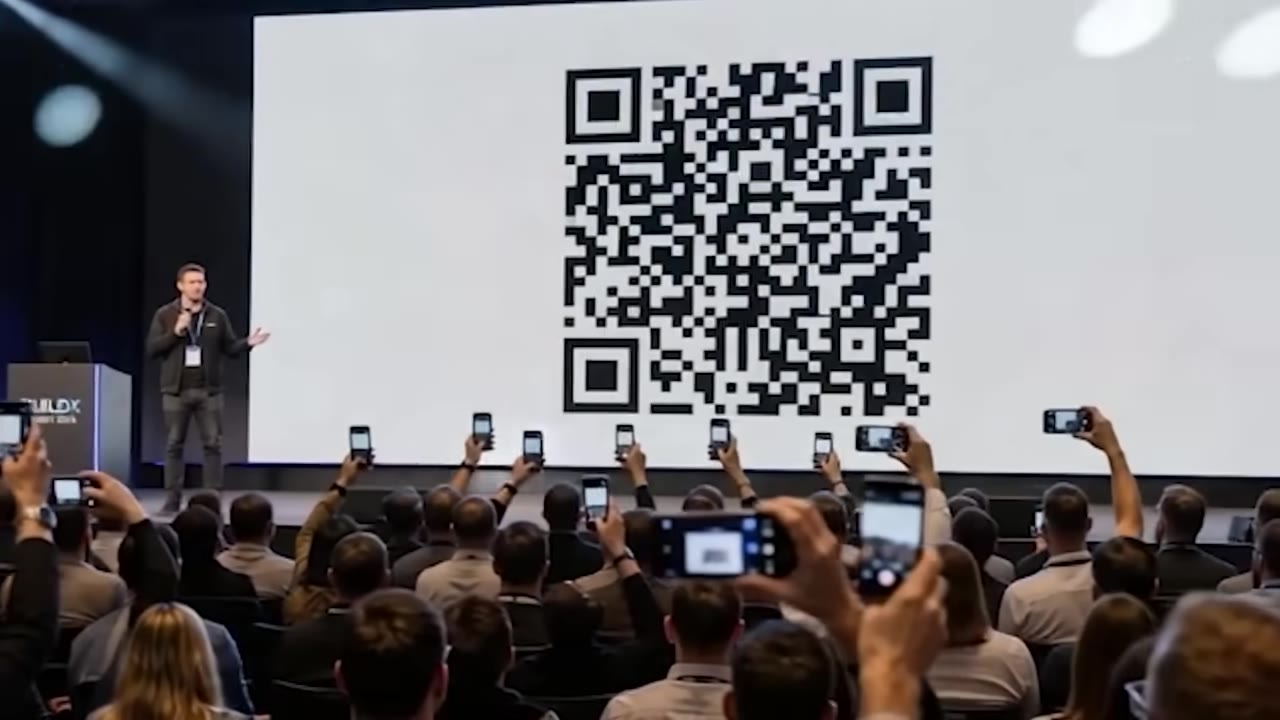
Find a highly specific task people hate doing, but have to do repeatedly. That's where the money is.— theMITmonk
For every software company today, there will be an agent company trying to dethrone it. The winner won't build the broadest agent first. It'll own one workflow, one market, one kind of user pain better than anyone else.
07 · The new scarcity
Judgment, taste, knowing when to trust
AI is a decoupling machine. For most of modern history your income was tied to your hours — even at the top, you traded time for decisions. Agents break that link: they do the work, and you scale your judgment where it matters most.
Some roles get reshaped — the paralegal, the junior analyst, the coordinator — but every disruption also creates roles nobody imagined (there was no "online community manager" before the internet). The question isn't whether the shift happens; it's whether you shape it or get shaped by it. The most valuable person is no longer the fastest thinker — it's the one who can define good work, spot bad work, and know when to trust an agent versus a human.